The Canadian Rockies are a living landscape, and the Rocky Mountaineer lets you witness it as it is — raw, unscripted, and unforgettable.
–
Timing is everything.
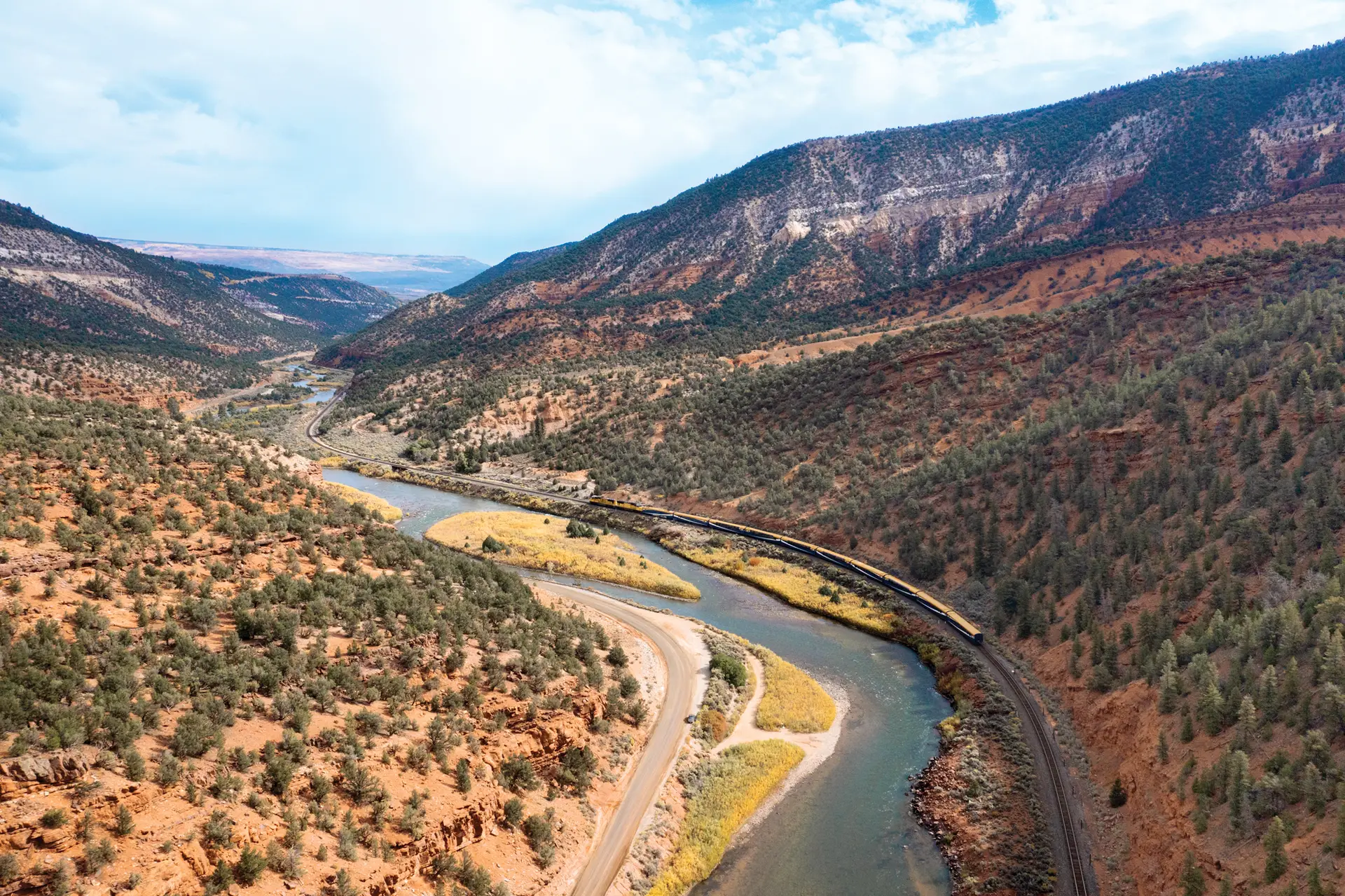
One of the most unexpected joys of traveling by train through the Canadian Rockies is that you’re not just moving through scenery — you’re moving through habitats. From glacier-fed rivers to alpine forests, every bend in the track holds the possibility of spotting wildlife. And on the Rocky Mountaineer, with its panoramic windows and unhurried pace, you’ve got a front-row seat.
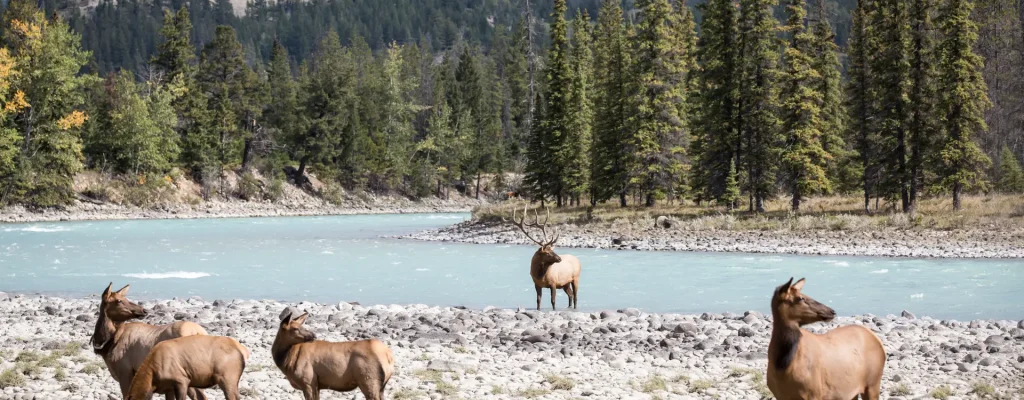
Elk: The Valley Regulars
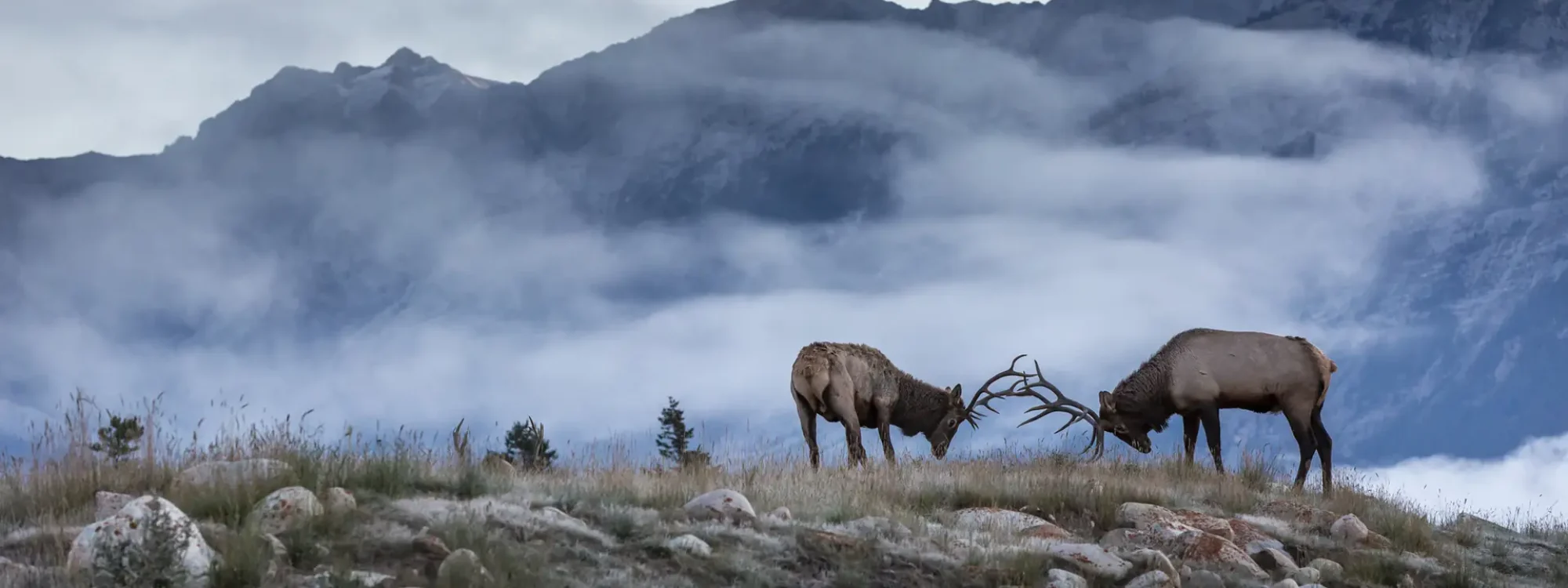
If there’s one animal you’re almost certain to see, it’s elk. They’re especially common around Jasper and along the Athabasca River valley. In the fall, the rutting season brings bugling males into open meadows near the tracks, an unforgettable sound that carries across the valley. Keep your eyes on the forest edges just outside town — it’s not unusual to see entire herds grazing as the train rolls by.
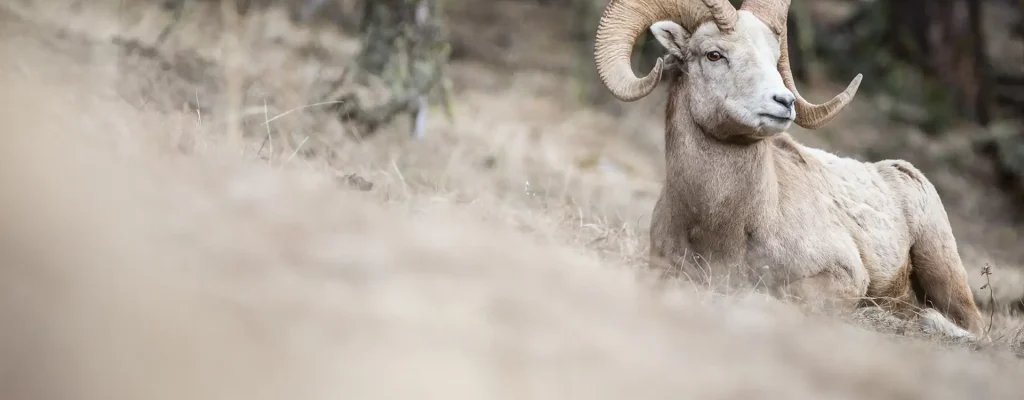
Bighorn Sheep: Masters of the Cliffs
Watch for clusters of tan-colored shapes on the cliffs near Kamloops and along the Thompson River. Bighorn sheep graze on seemingly impossible ledges, completely at ease where few predators (or humans) would follow. Their curved horns are easy to spot even from a distance, and sometimes you’ll catch them picking their way down to the water’s edge.
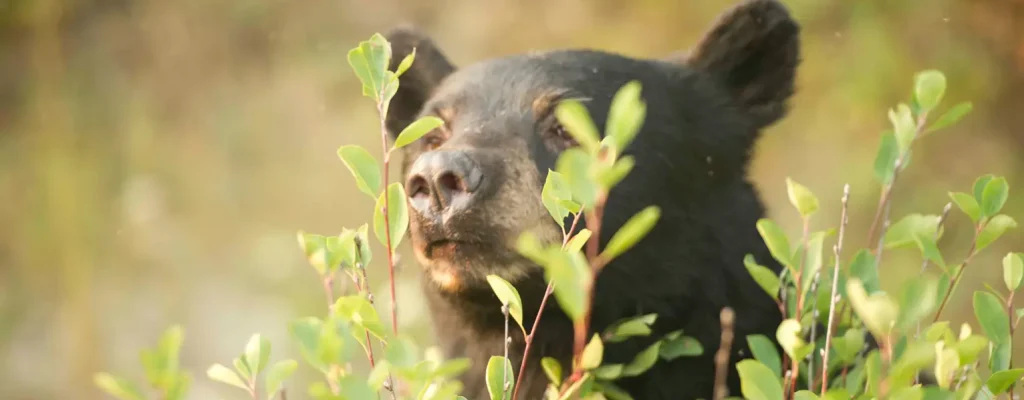
Bears: The Rocky Icons
Both black bears and the occasional grizzly roam the Rockies, and the train cuts through prime bear country. In spring and early summer, they’re often seen foraging along riverbanks near Quesnel and Jasper, or grazing on fresh shoots in open meadows. Come fall, berry patches near Lake Louise and Banff attract them for pre-hibernation feasts. Bear sightings hush the whole car — a reminder that these landscapes are truly wild.
Moose: The Elusive Giants
Moose are harder to spot but worth the wait. They favor wetlands and marshy lakes, so keep an eye out along stretches near Moose Lake (fittingly named) on the Journey Through the Clouds route into Jasper. Dawn and dusk are their prime times, when you might catch one wading chest-deep into the water for aquatic plants.
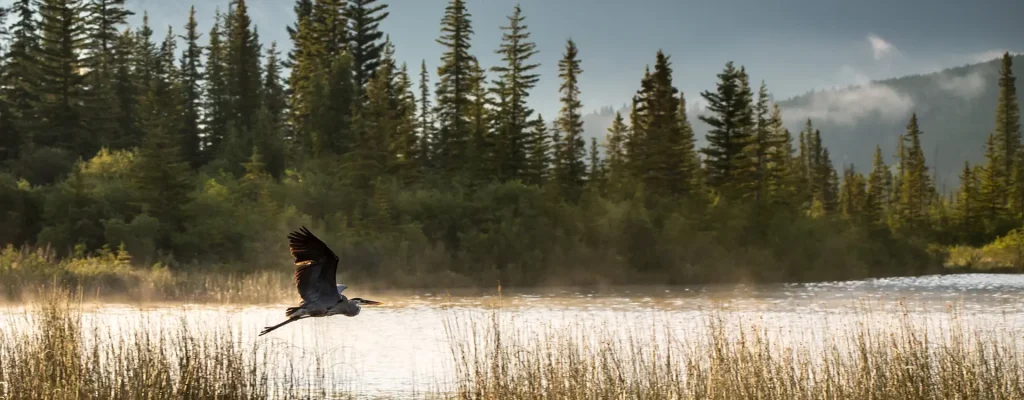
Eagles, Ospreys, and Other Raptors
The Fraser and Thompson Rivers are hunting grounds for bald eagles and ospreys, who patrol the waterways looking for fish. You’ll often see osprey nests perched high on utility poles or dead trees near the water’s edge. In quieter stretches, great blue herons stand statue-like in shallows, while hawks circle above the canyons. Bring binoculars — there’s as much happening in the skies as there is on the ground.
Smaller Encounters
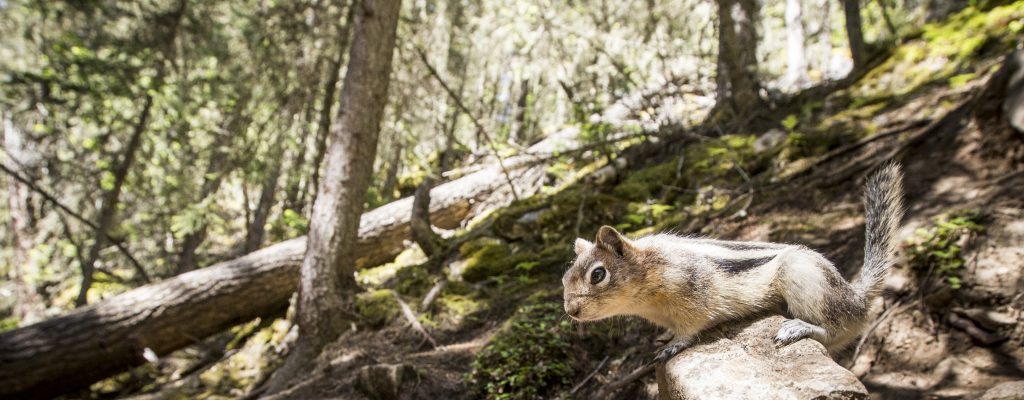
Not all wildlife comes with antlers or claws. Watch for marmots sunning on rocks near alpine passes, or pika (tiny, rabbit-like creatures) darting between talus slopes. These small moments are part of what makes the Rockies feel alive at every scale.
When and Where to Look
Rivers & Lakes → Bears, moose, eagles, herons
Valleys & Meadows → Elk, deer, grazing herds
Cliffs & Canyons → Bighorn sheep, mountain goats
Skies → Raptors on thermals, especially near Thompson and Fraser Rivers
Not all wildlife comes with antlers or claws. Watch for marmots sunning on rocks near alpine passes, or pika (tiny, rabbit-like creatures) darting between talus slopes. These small moments are part of what makes the Rockies feel alive at every scale.
Why Wildlife Spotting Feels Different on the Train
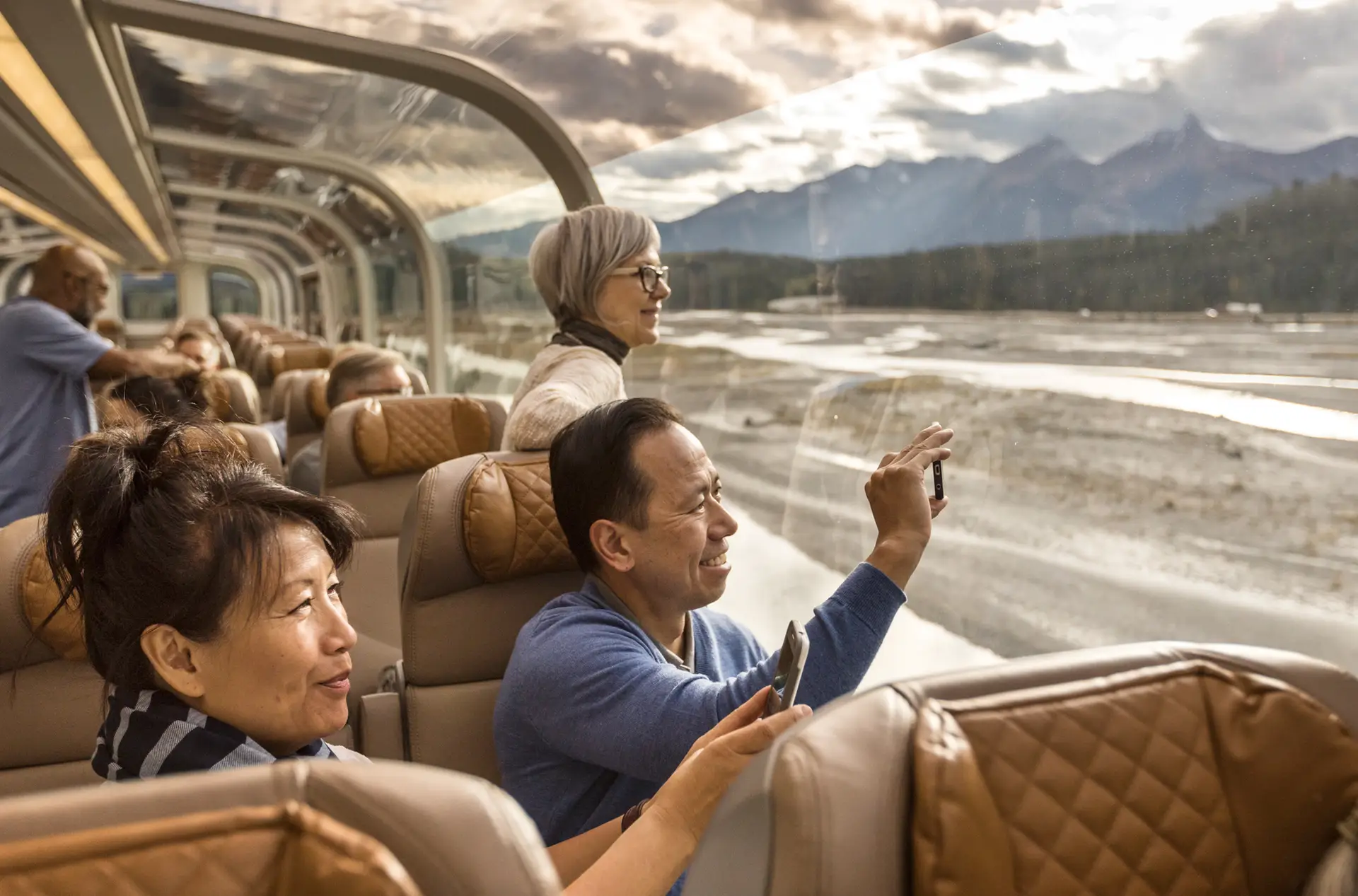
On the Rocky Mountaineer, you’re not on a rushed safari or a crowded viewing platform. You’re sipping coffee in a glass-domed car when someone points out a bear on the riverbank, or a herd of elk in the meadow. Strangers turn into fellow travelers as everyone leans to the window together. The train slows you down — not just to see the scenery, but to notice the life moving through it.
Wildlife sightings can never be guaranteed, but that’s part of the magic. The Canadian Rockies are a living landscape, and the Rocky Mountaineer lets you witness it as it is — raw, unscripted, and unforgettable.
Ready to start planning? Let’s talk about the routes and seasons that give you the best chance to see it all.